Technology Explained Through the Well and Fluid System
Approximately 4 nm technology is applied within well-specific service programs—not presented as a universal production shortcut.
Request a Well AssessmentExplore Services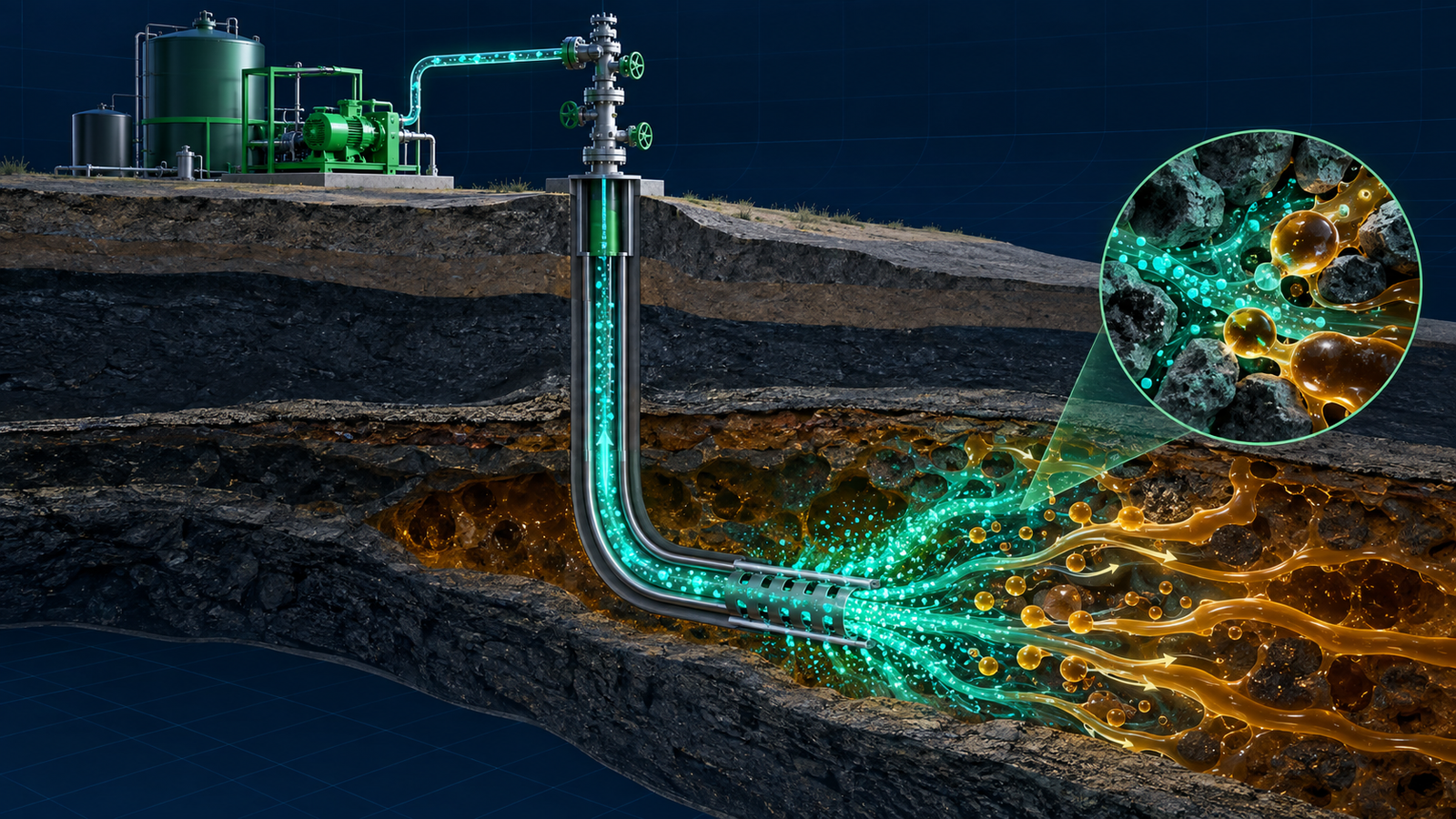
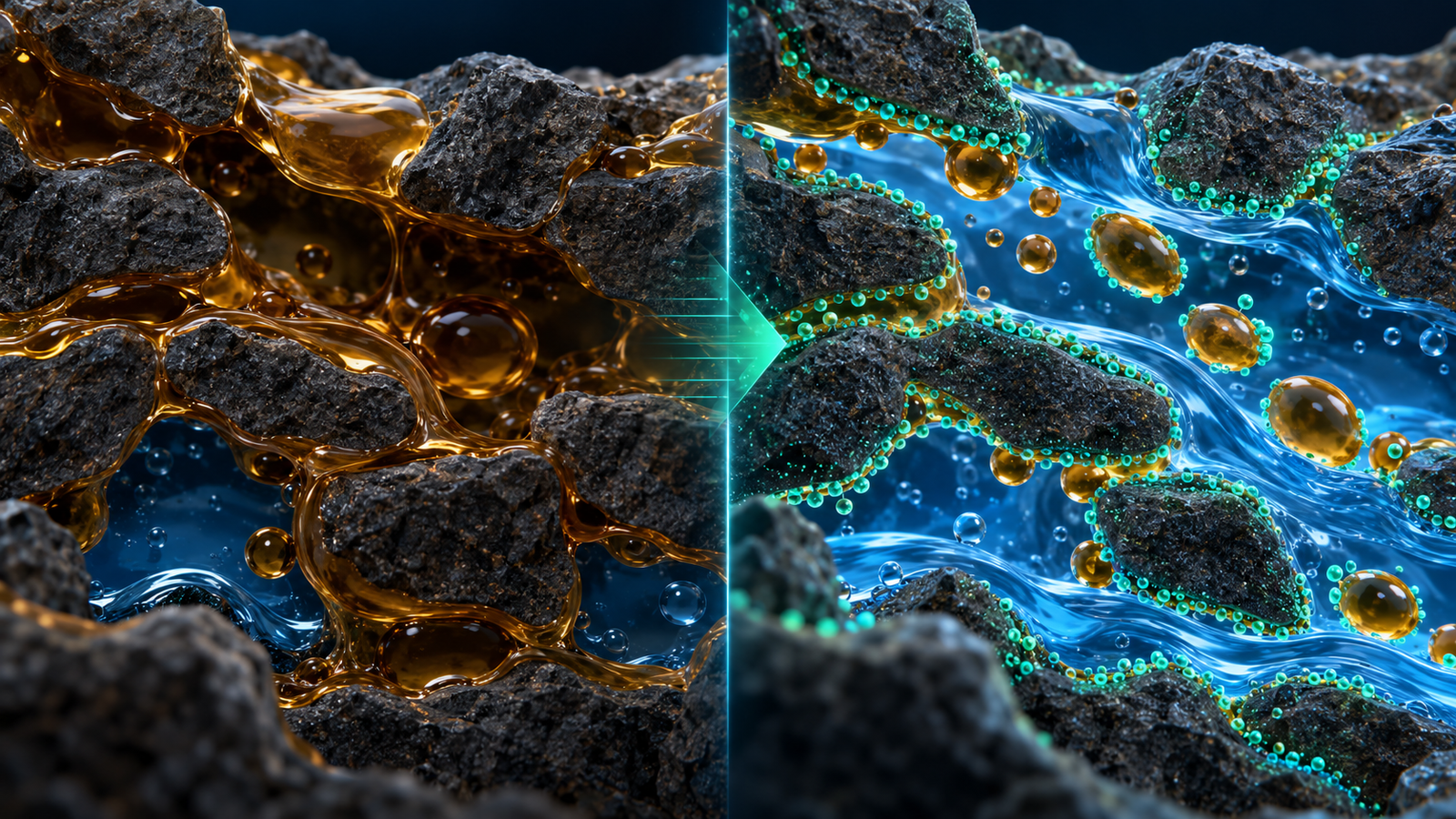
From formulation properties to application decisions
Laboratory and technical information helps define interaction at fluid and surface interfaces. The field program still depends on well data, operating constraints, and a defensible baseline.
Treatment design controls how technology reaches the system
The program considers dosage, carrier fluid, pumping equipment, pressure envelope, injection method, planned shut-in, restart sequence, and monitoring period.
Laboratory observations, operating conditions and production response are considered together—not as isolated claims.
Measured evidence replaces universal claims
API gravity, reservoir properties, well condition, temperature, pressure, completion, artificial lift, fluid behavior, and operating practice can change treatment response.
The formulation is described as a chemical mixture with naturally derived components—not “chemical-free.”
One accountable path from well data to final report
Data Intake
Production, fluids, pressure, temperature, lift, and treatment history.
Screening
Technical fit, baseline quality, constraints, and practical risks.
Design & Forecast
Well-specific treatment and conservative response scenarios.
Mobilization
Product, equipment, site, safety, and operator coordination.
Injection Support
On-site execution or supervision of the operator team.
Shut-In & Restart
Planned 24–48 hour shut-in and controlled restart.
Monitoring
Track production and operating response; optimize from data.
Maintenance & Report
Review dosing needs and issue the performance report.